Starting a skincare routine can feel confusing, especially with so many products and advice available. The key to building an effective routine is focusing on a few simple steps tailored to your skin’s unique needs. This approach helps you maintain healthy, clear skin without unnecessary complexity or wasted effort.
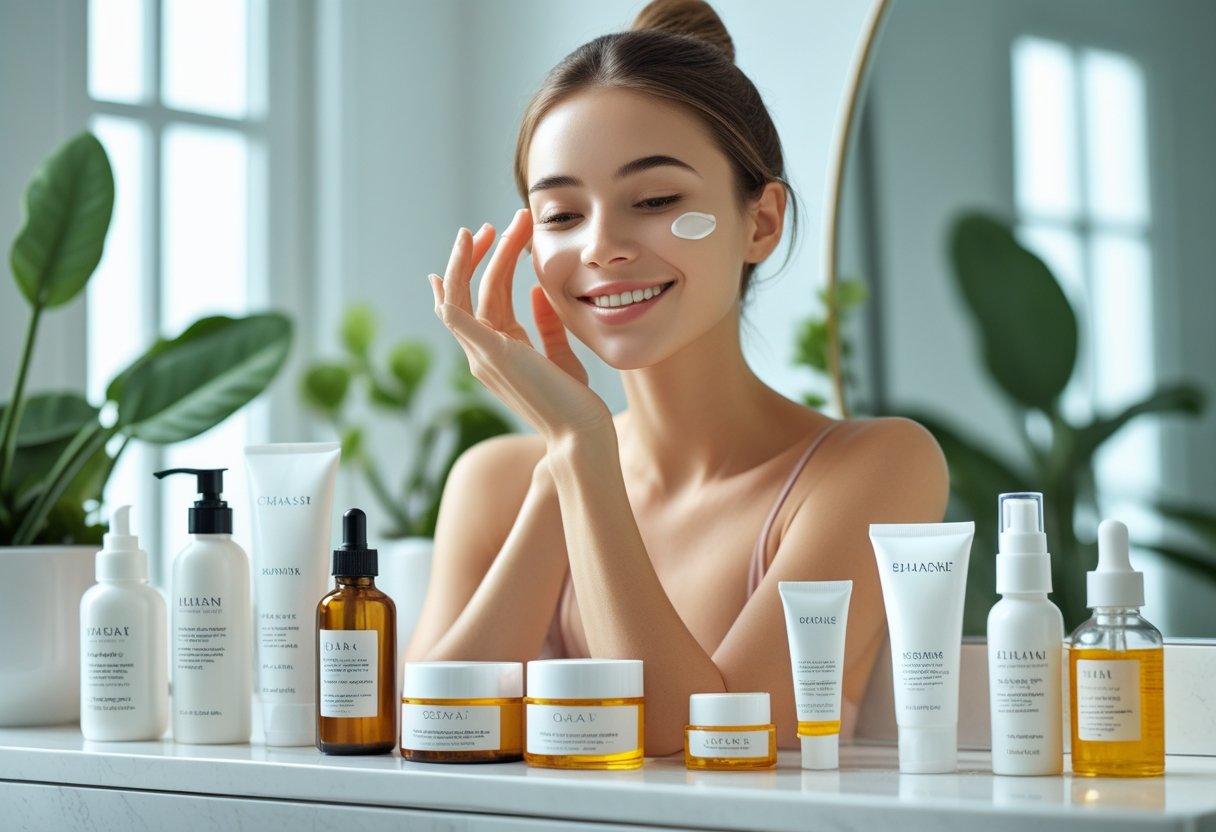
You don’t need a cupboard full of products to see real benefits. A basic routine that includes cleansing, moisturizing, and protection from the sun lays a solid foundation. Over time, you can adjust and add specific treatments based on how your skin responds.
Learning to understand your skin type and selecting the right products will make taking care of your skin easier and more effective. This ensures your routine supports your skin’s health, helping you look and feel your best every day.
Core Steps in Building a Skincare Routine
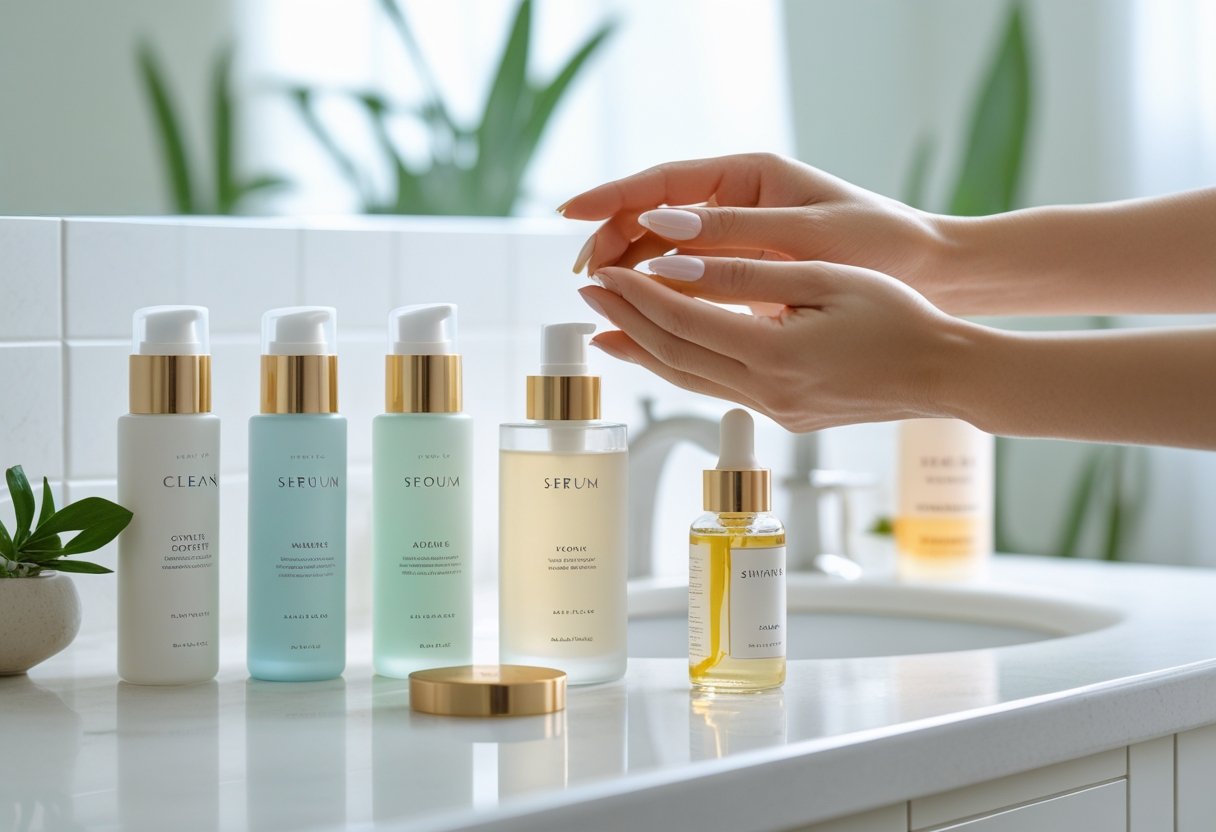
A solid skincare routine balances cleansing, hydration, and protection from sun damage. Each step plays a specific role in keeping your skin healthy and addressing your individual needs.
Cleansing Fundamentals
Your cleanser removes dirt, oil, and impurities that accumulate on your skin daily. Choose a cleanser based on your skin type: gel or foaming cleansers work well for oily or combination skin, while cream or lotion-based cleansers suit dry or sensitive skin.
Wash your face twice a day, morning and night, using lukewarm water. Avoid hot water, which can strip your skin of natural oils. Use gentle, circular motions and rinse thoroughly to prevent residue buildup. Proper cleansing prepares your skin to absorb the products you apply next.
Choosing and Applying Moisturizer
Moisturizers help maintain your skin’s hydration and prevent dryness. Select a moisturizer that complements your skin type: lightweight, oil-free formulas for oily skin, and richer creams for dry skin.
Apply moisturizer while your skin is still slightly damp to lock in moisture effectively. Use a pea-sized amount and gently pat or rub it in upward strokes on your face and neck. Consistent moisturizing supports skin barrier function and improves texture over time.
Sun Protection Essentials
Sun protection is critical to prevent premature aging and reduce the risk of skin cancer. Use a broad-spectrum sunscreen offering at least SPF 30 every day, even when it’s cloudy or you’re indoors near windows.
Apply sunscreen as the last step in your morning routine, about 15 minutes before sun exposure. Reapply every two hours if you’re outside for extended periods. Don’t forget areas like your ears, neck, and hands for full protection.
Personalizing Your Routine

Your skincare routine should match your unique skin traits and the conditions around you. To create a plan that delivers noticeable results, you need to understand your skin type, choose treatments that address your specific concerns, and adjust your routine based on your environment and habits.
Identifying Your Skin Type
Start by observing how your skin behaves throughout the day. Common skin types include oily, dry, combination, sensitive, and normal.
- Oily skin tends to look shiny and may develop acne.
- Dry skin feels tight and might flake.
- Combination skin has oily areas, usually the T-zone, with dry patches elsewhere.
- Sensitive skin reacts easily with redness or irritation.
- Normal skin feels balanced without extreme dryness or oiliness.
You can perform a simple test: wash your face, wait an hour, then observe how your skin feels and looks. This helps you select appropriate cleansers, moisturizers, and treatments.
Incorporating Targeted Treatments
Once you know your skin type, focus on solutions for your specific concerns such as acne, wrinkles, hyperpigmentation, or dehydration.
Consider adding these to your routine:
- Serums with ingredients like Vitamin C or hyaluronic acid to brighten or hydrate.
- Exfoliants (chemical or physical) to remove dead skin cells.
- Spot treatments for blemishes, often containing salicylic acid or benzoyl peroxide.
- Anti-aging products with retinoids or peptides.
Introduce one product at a time and monitor your skin’s response. Targeted treatments enhance the base routine but should complement cleansing, moisturizing, and sun protection.
Adapting to Lifestyle and Environmental Factors
Your skincare needs vary depending on where you live and what you do.
- If you spend time outdoors, higher SPF protection is essential.
- In dry climates, you may need richer moisturizers.
- If you’re exposed to pollution, antioxidants in your routine can help combat damage.
- Stress, diet, and sleep also impact your skin’s health.
Adjust your products seasonally or when your environment changes. Flexibility ensures your routine remains effective and supportive of your skin’s current condition.
Key Takeaways
- Focus on simple, essential steps to care for your skin.
- Use products that match your skin’s specific needs.
- Build your routine gradually to maintain healthy skin.